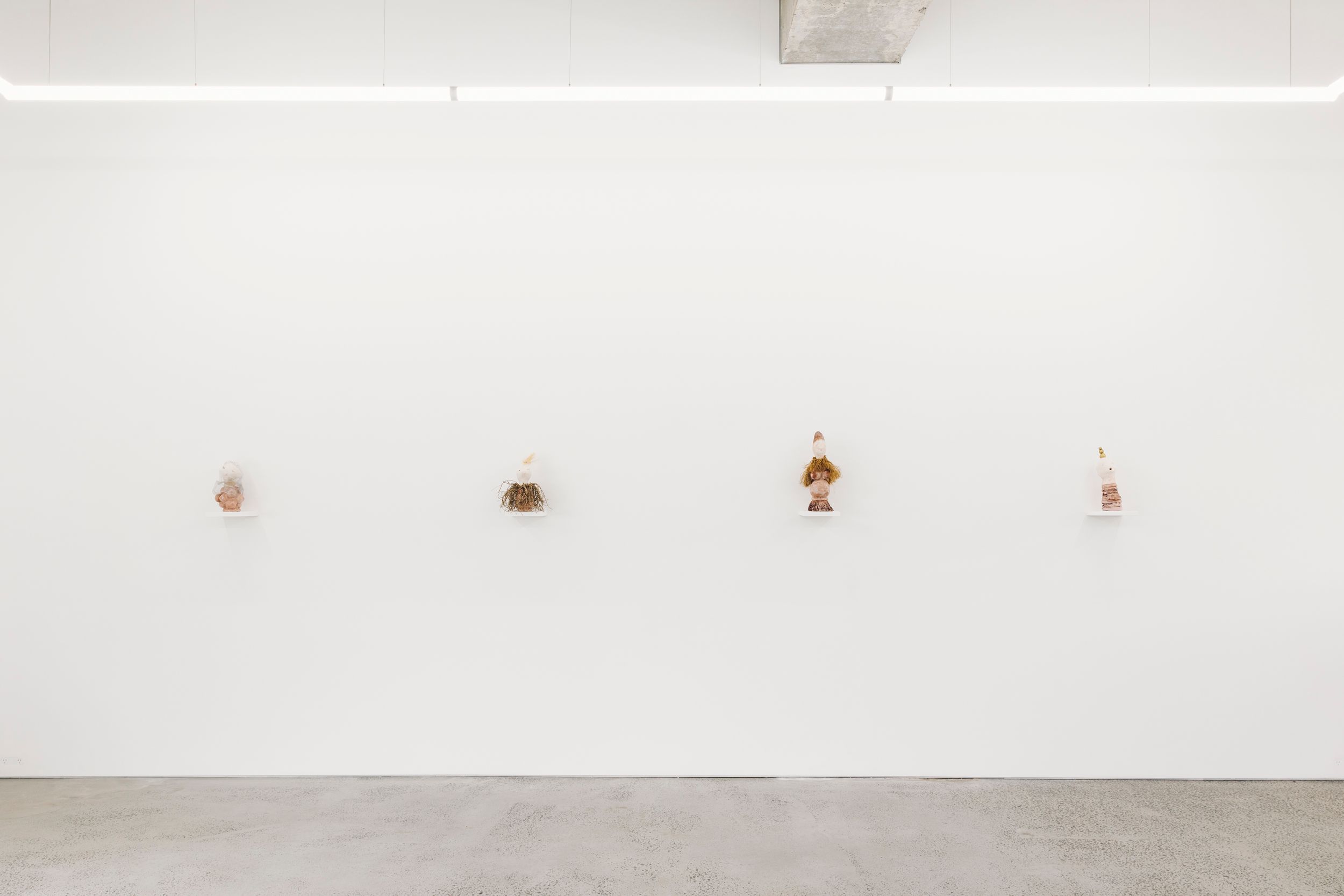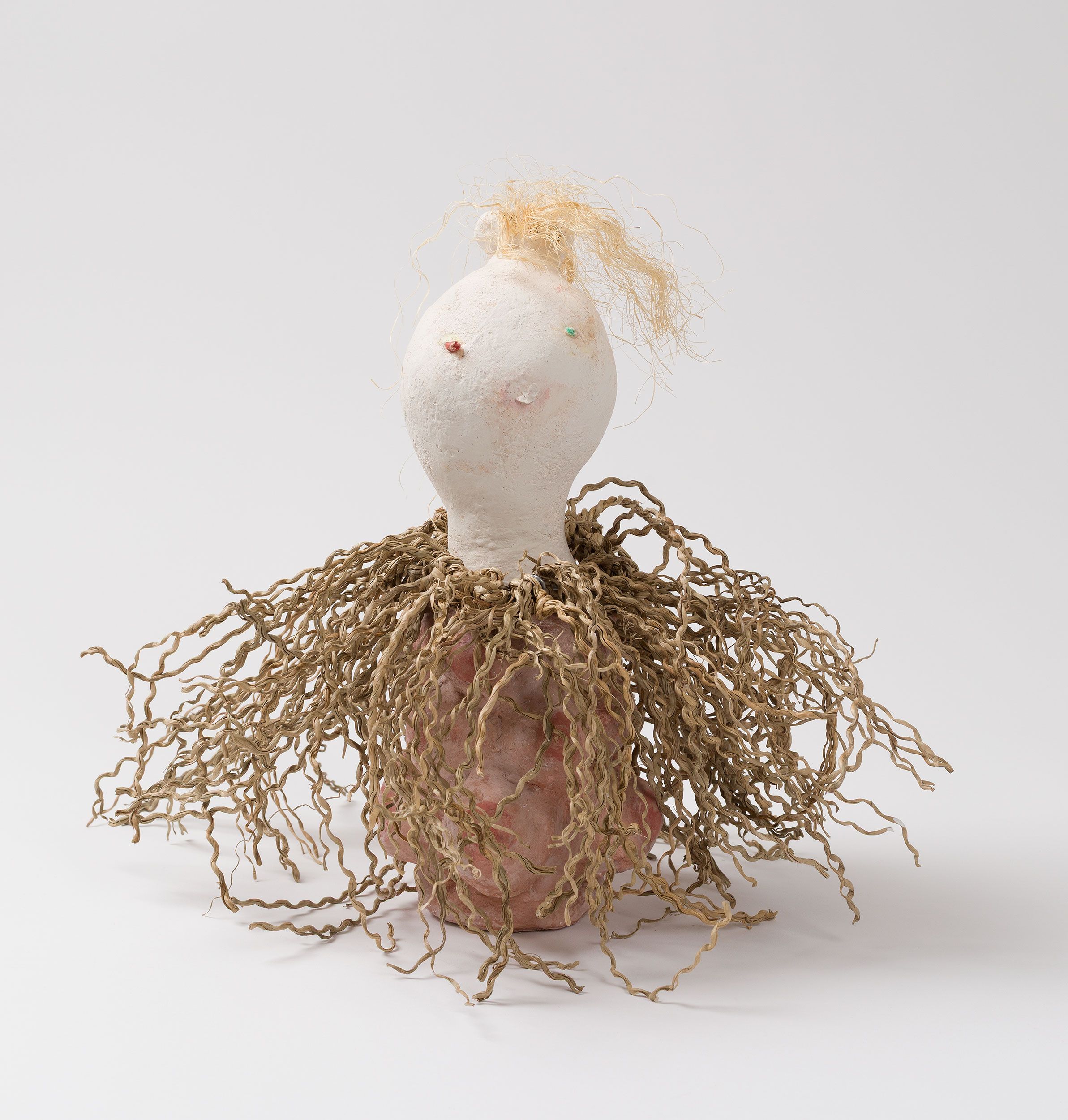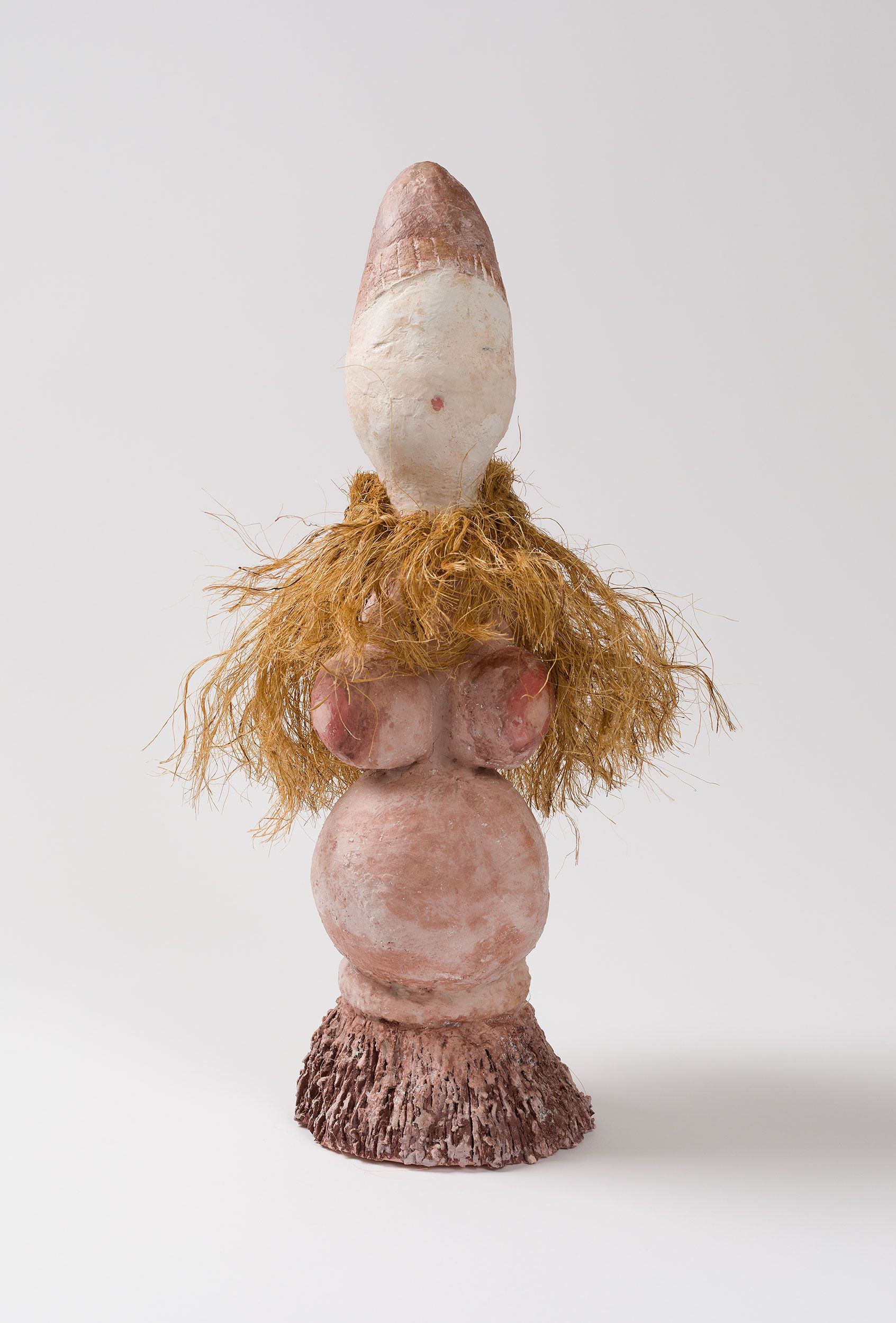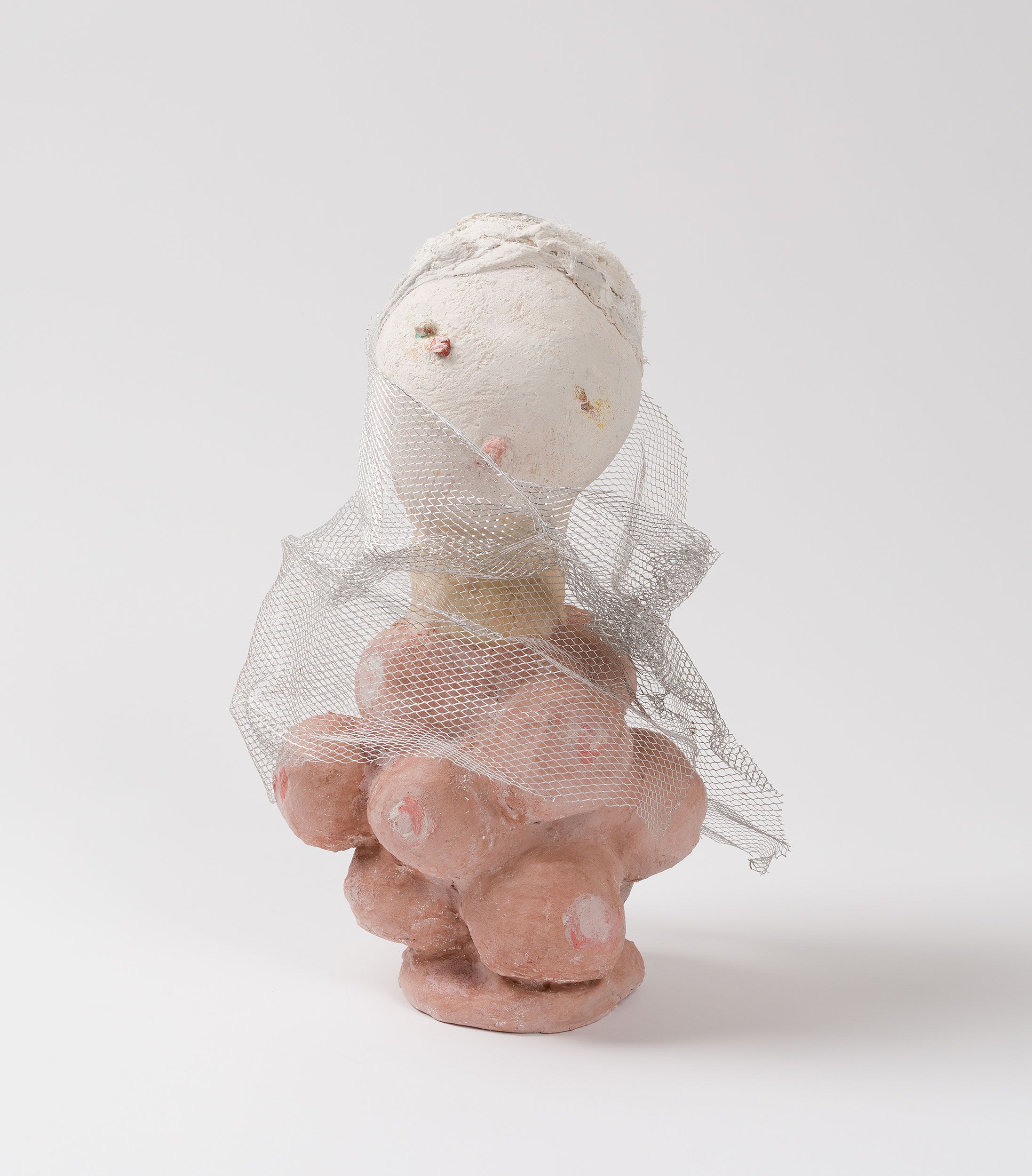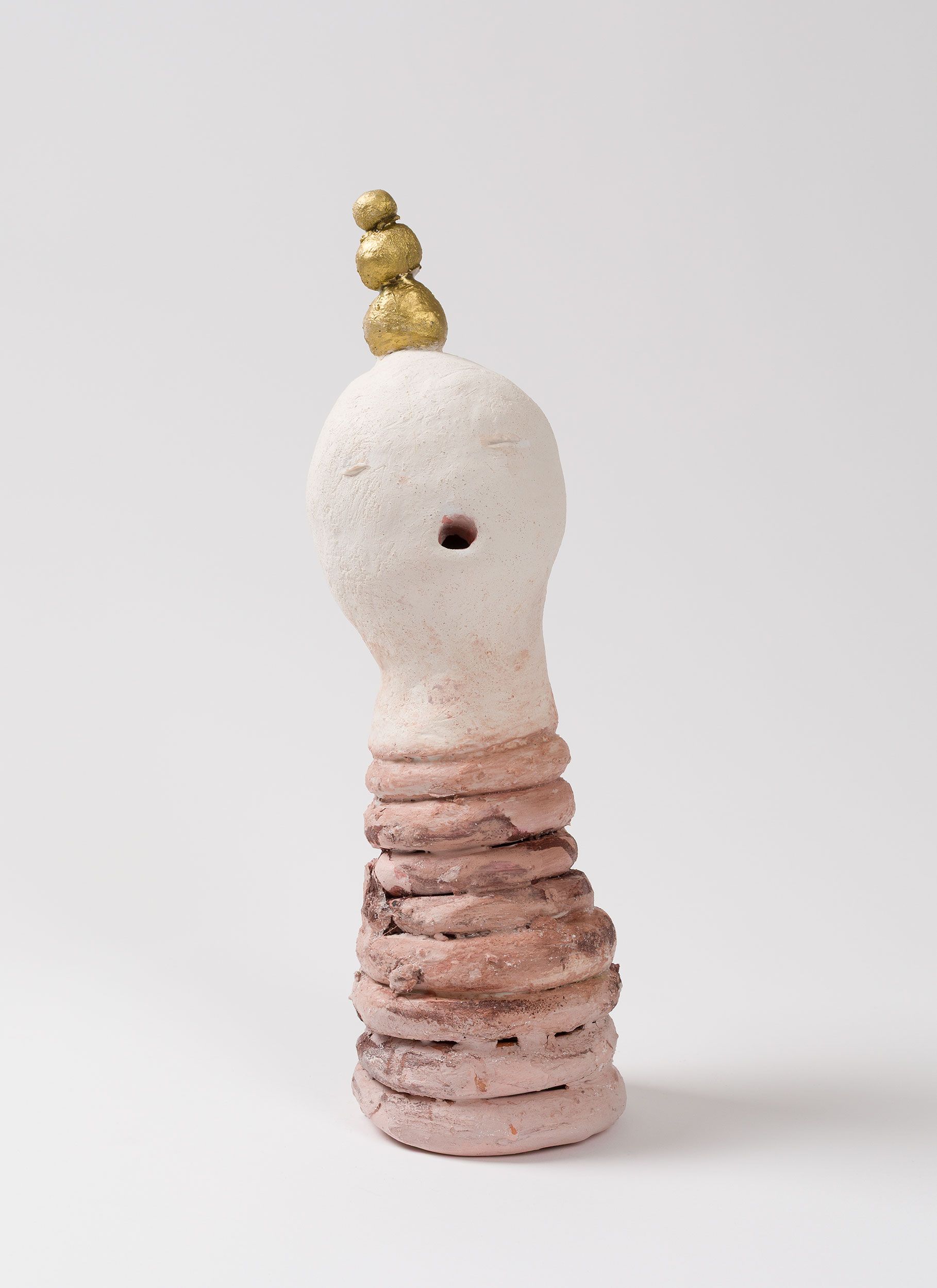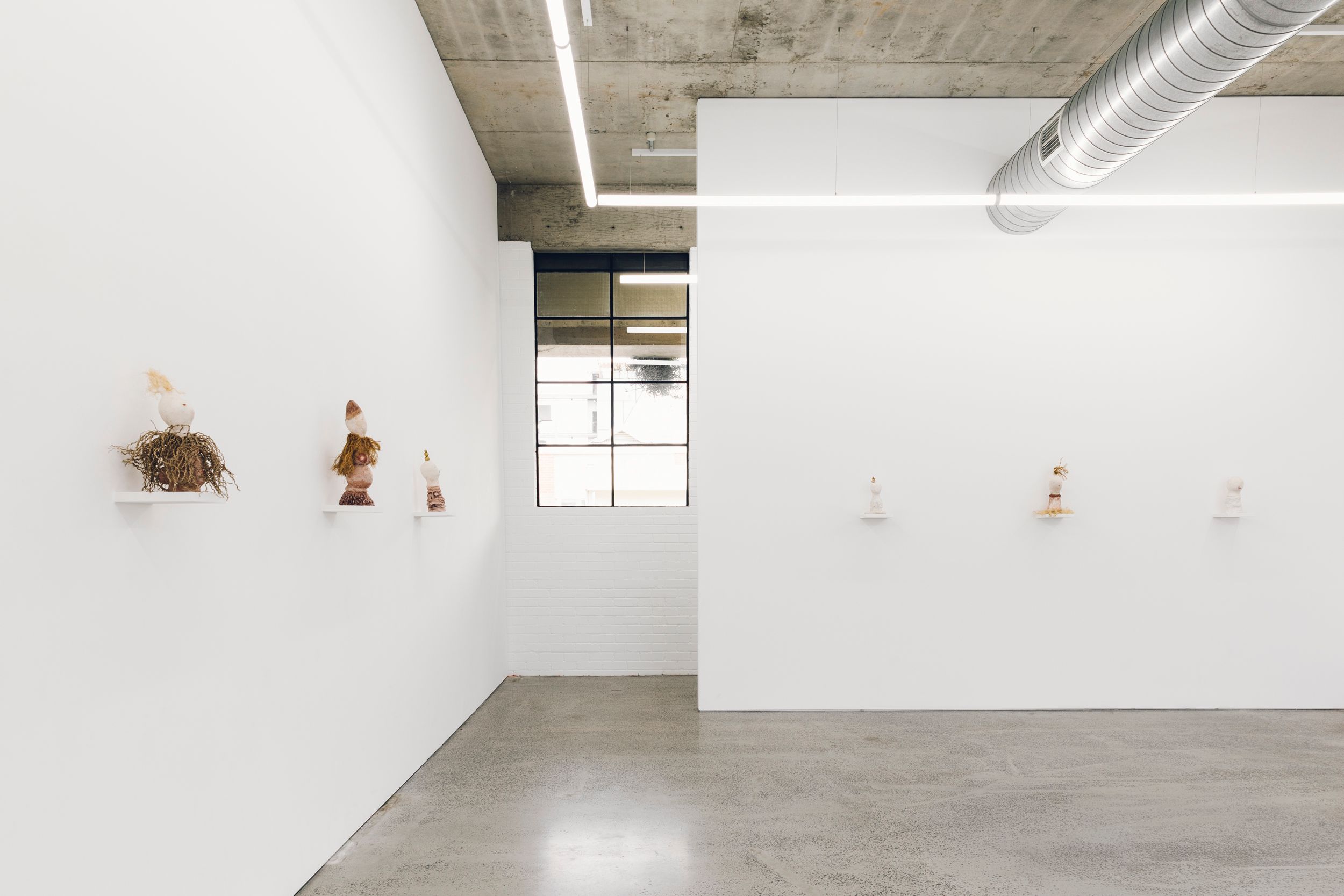
This exhibition brings together two bodies of work: the evocations (from the Latin vocare, ‘to call’ or ‘recall to memory’), a series of ceramic heads, displayed alongside separate totemic clay forms, the invocations (from the Latin invocare, ‘to call upon’).
Together, the works navigate the tension between collapse and hope. Drawing on Carl Jung’s notion that “only that which can destroy itself is truly alive”, the exhibition embraces transformation as a necessary condition of growth, renewal, and becoming.
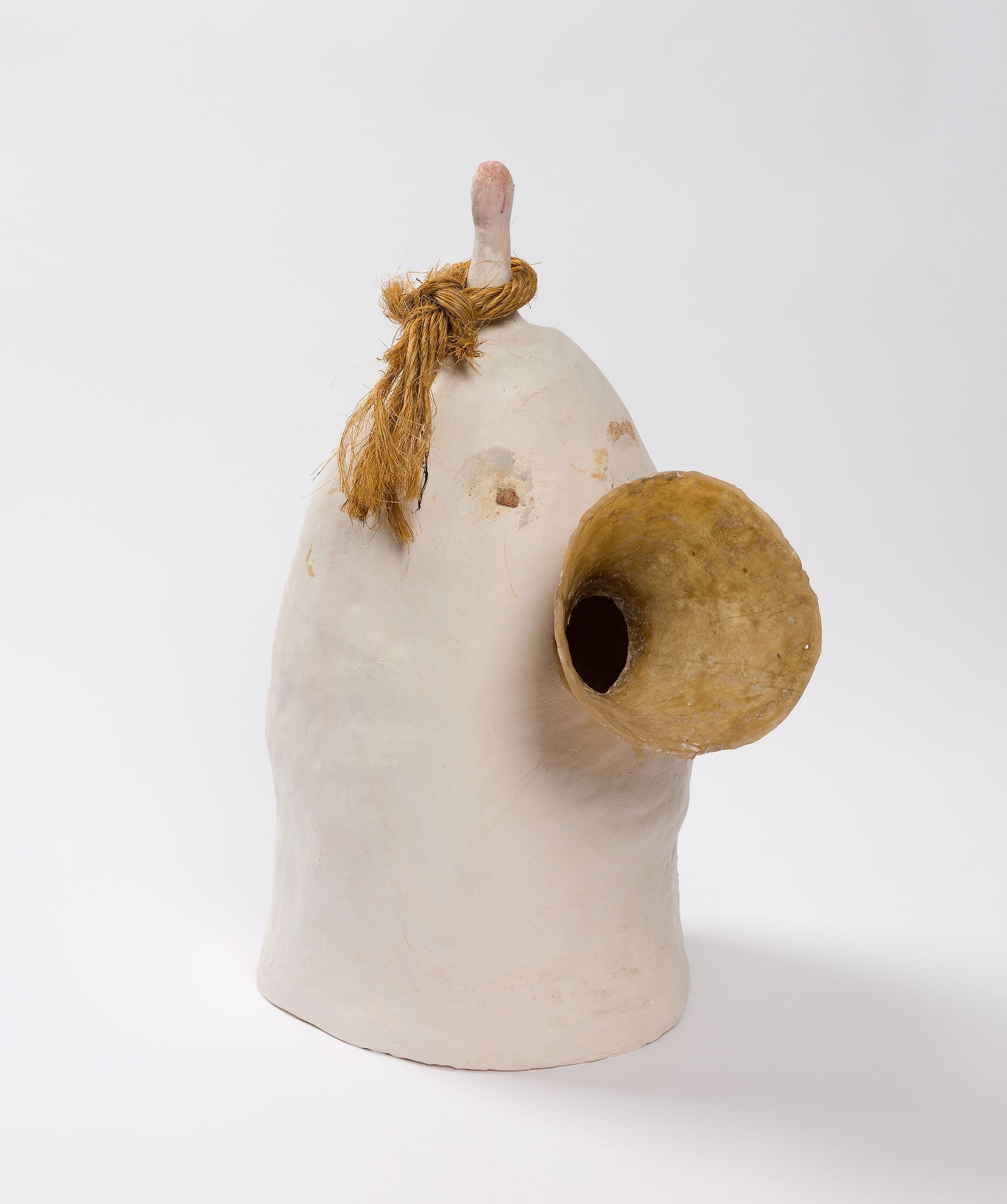
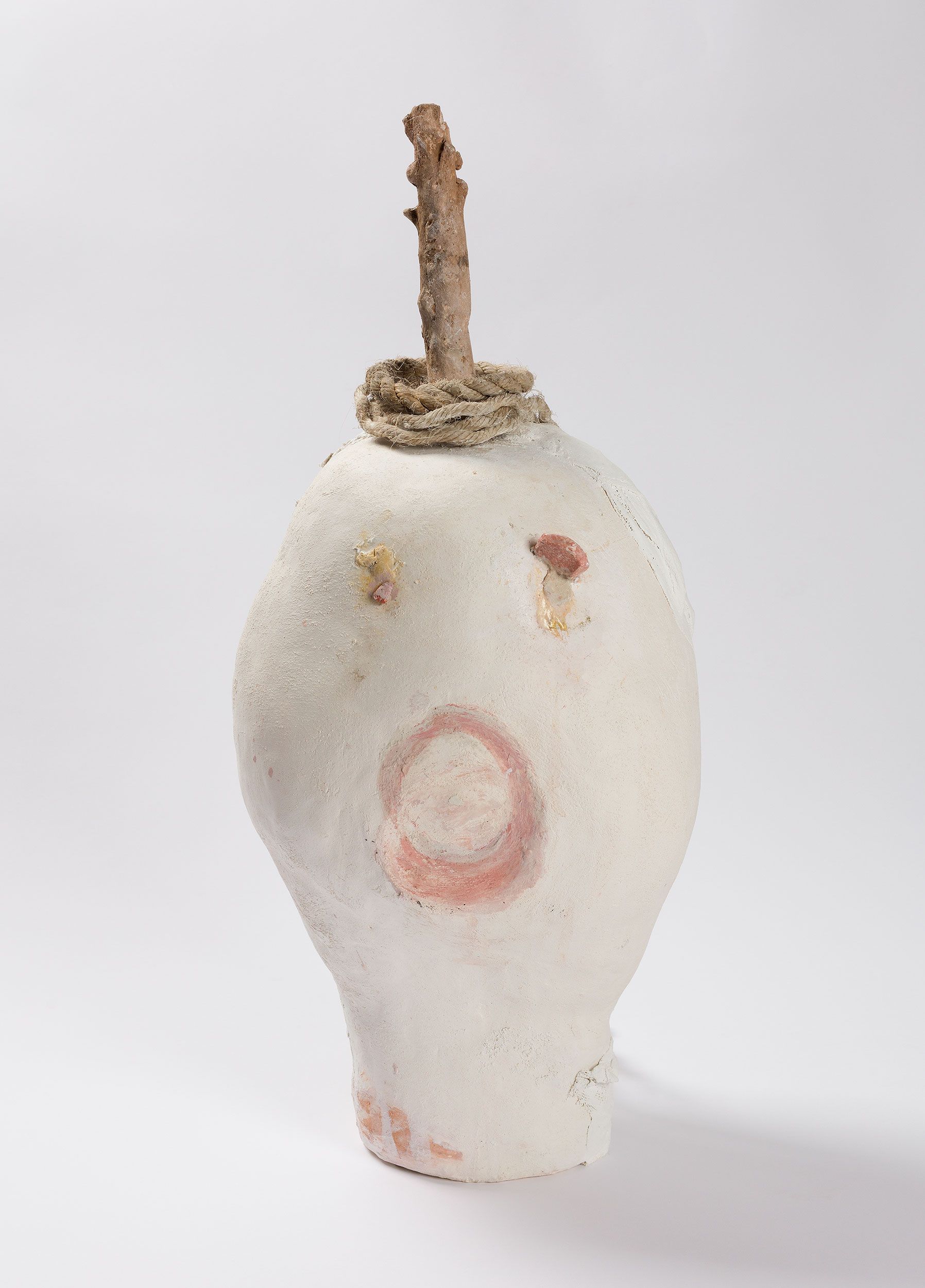
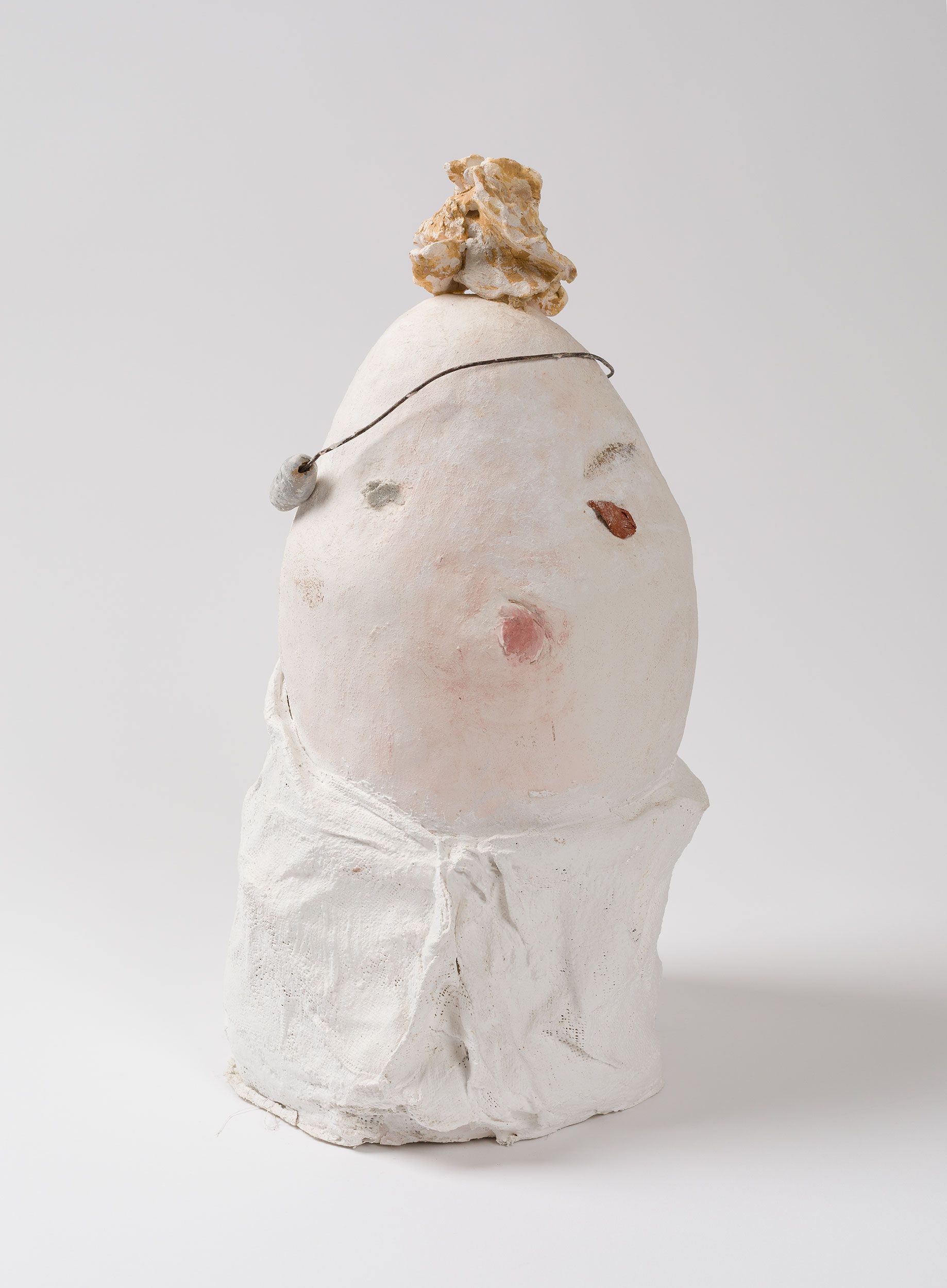
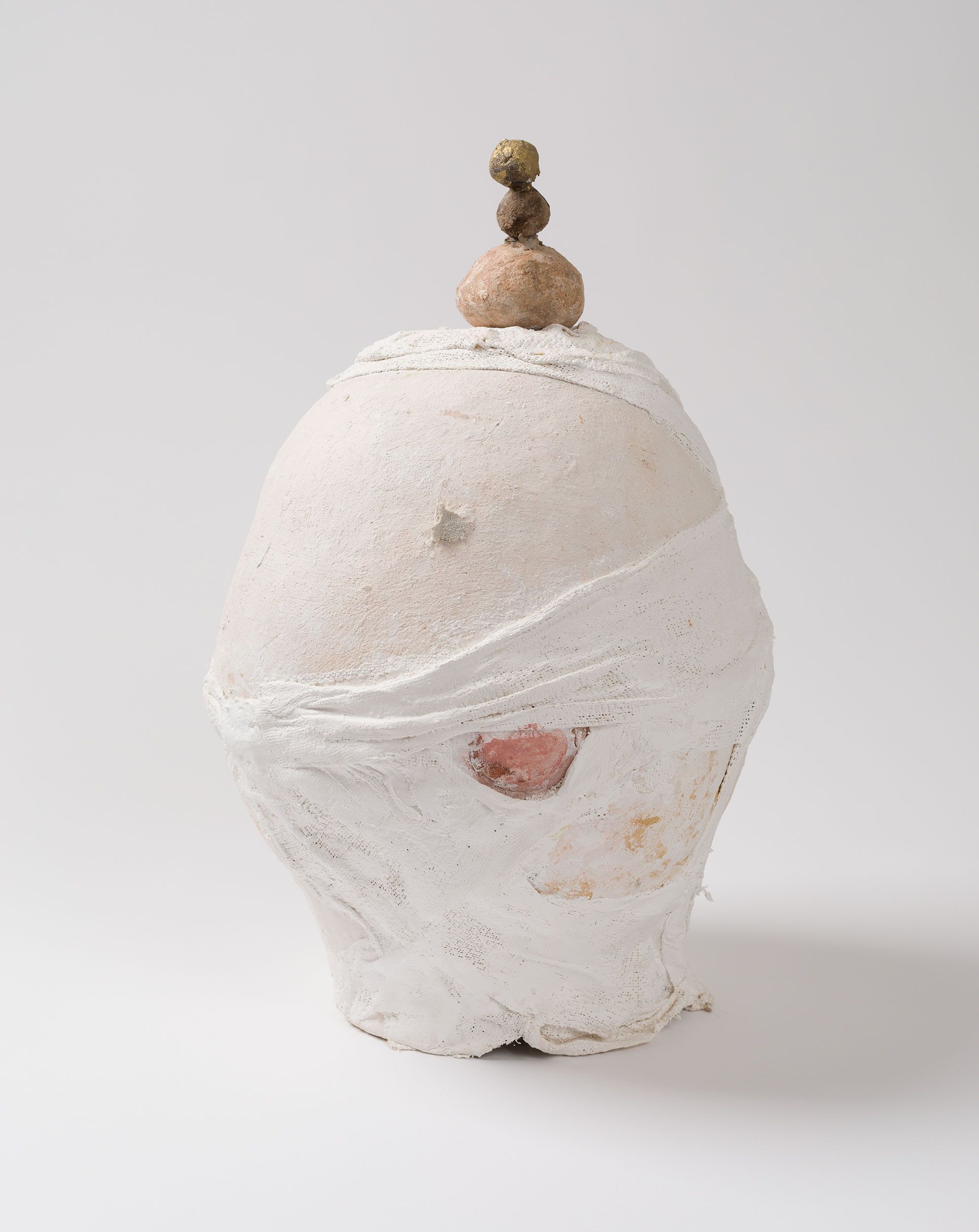
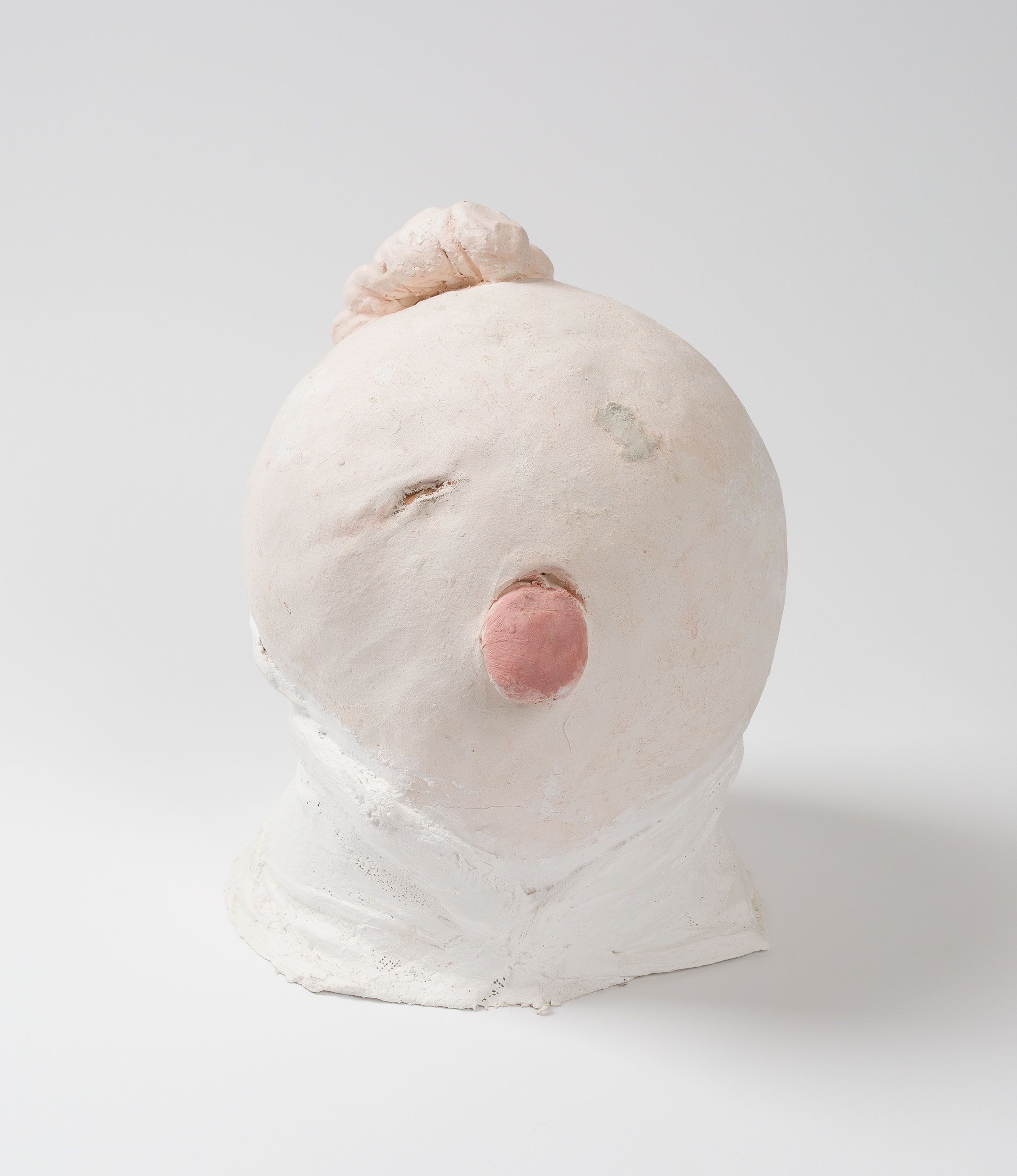
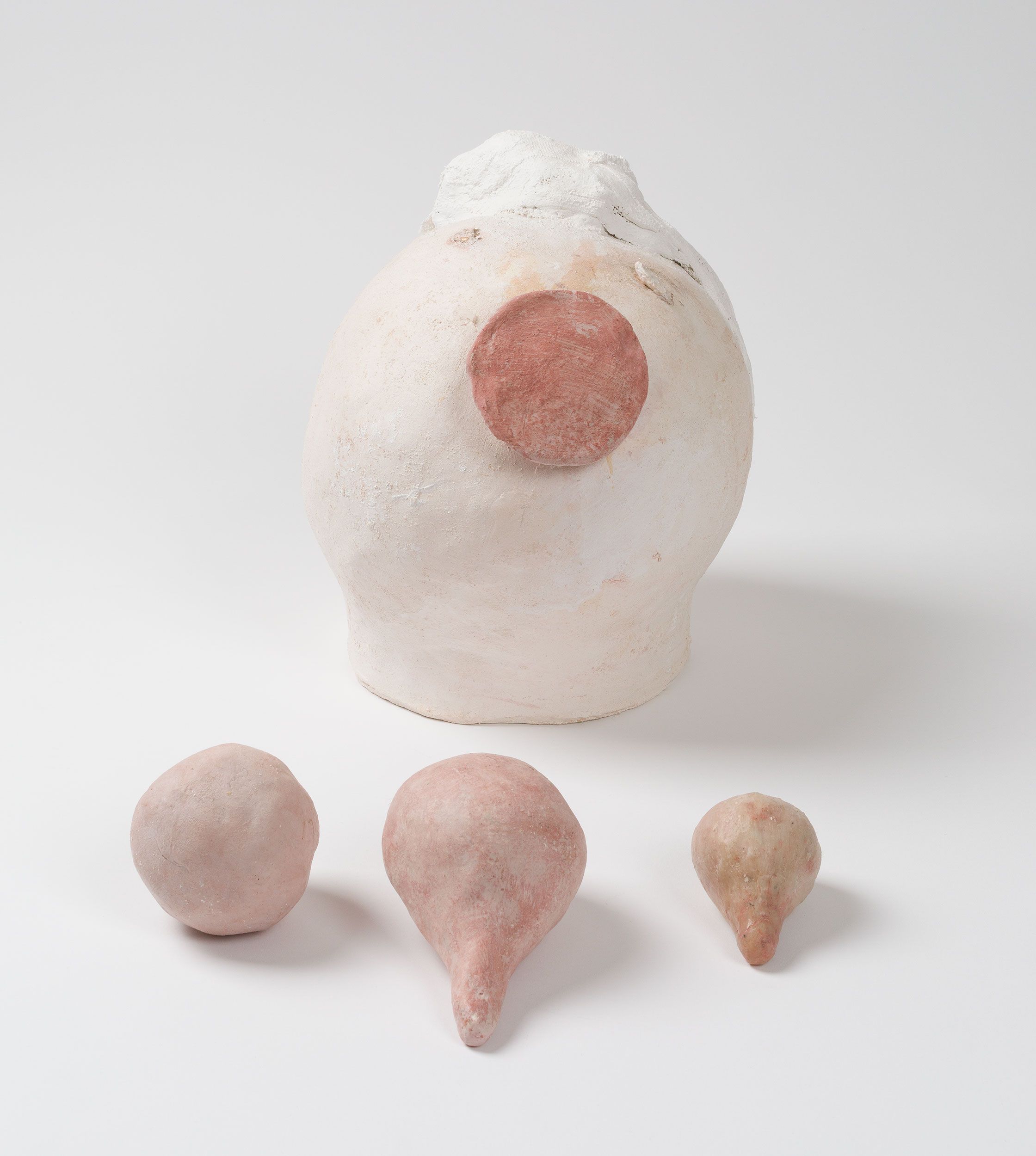
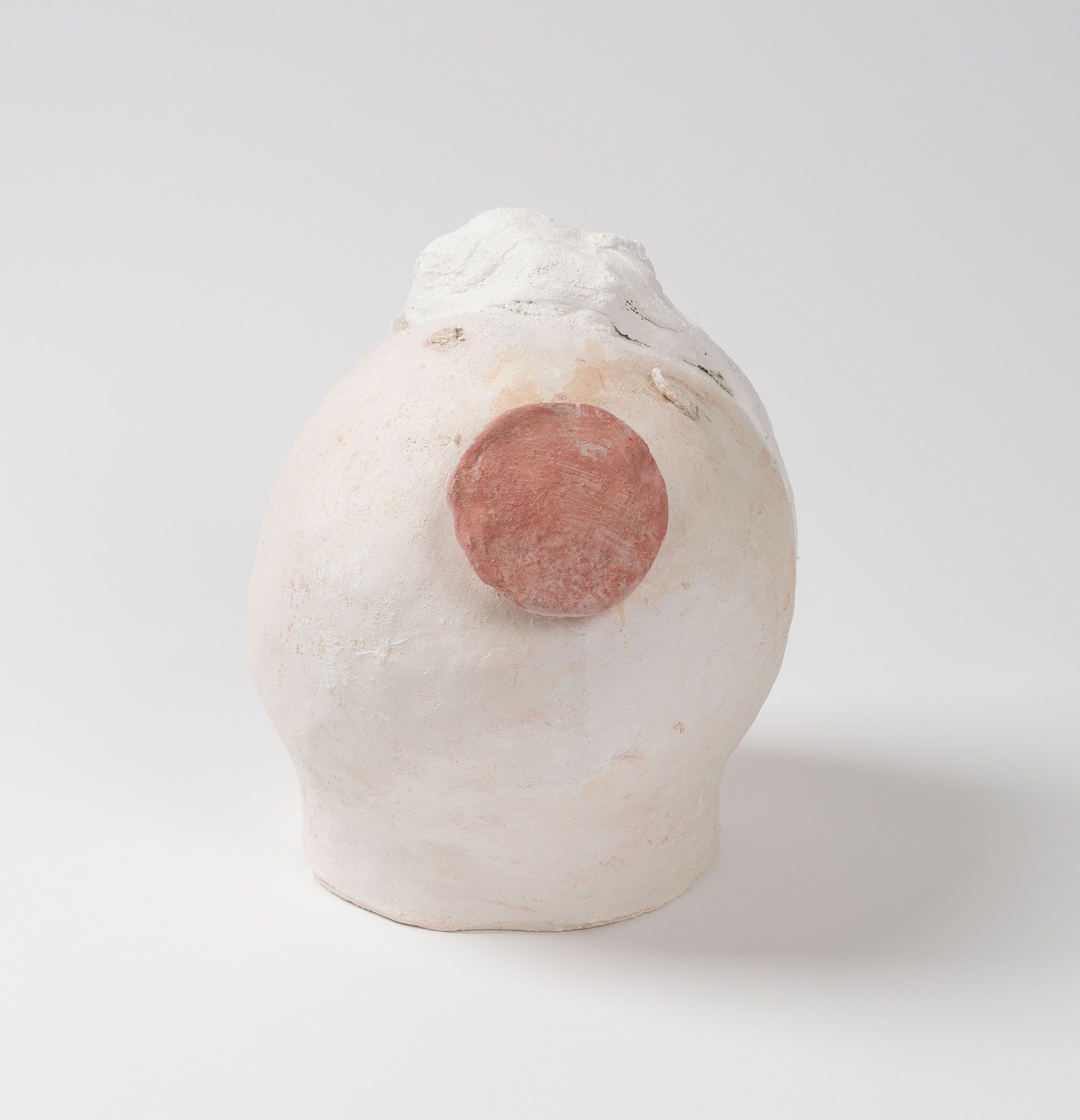
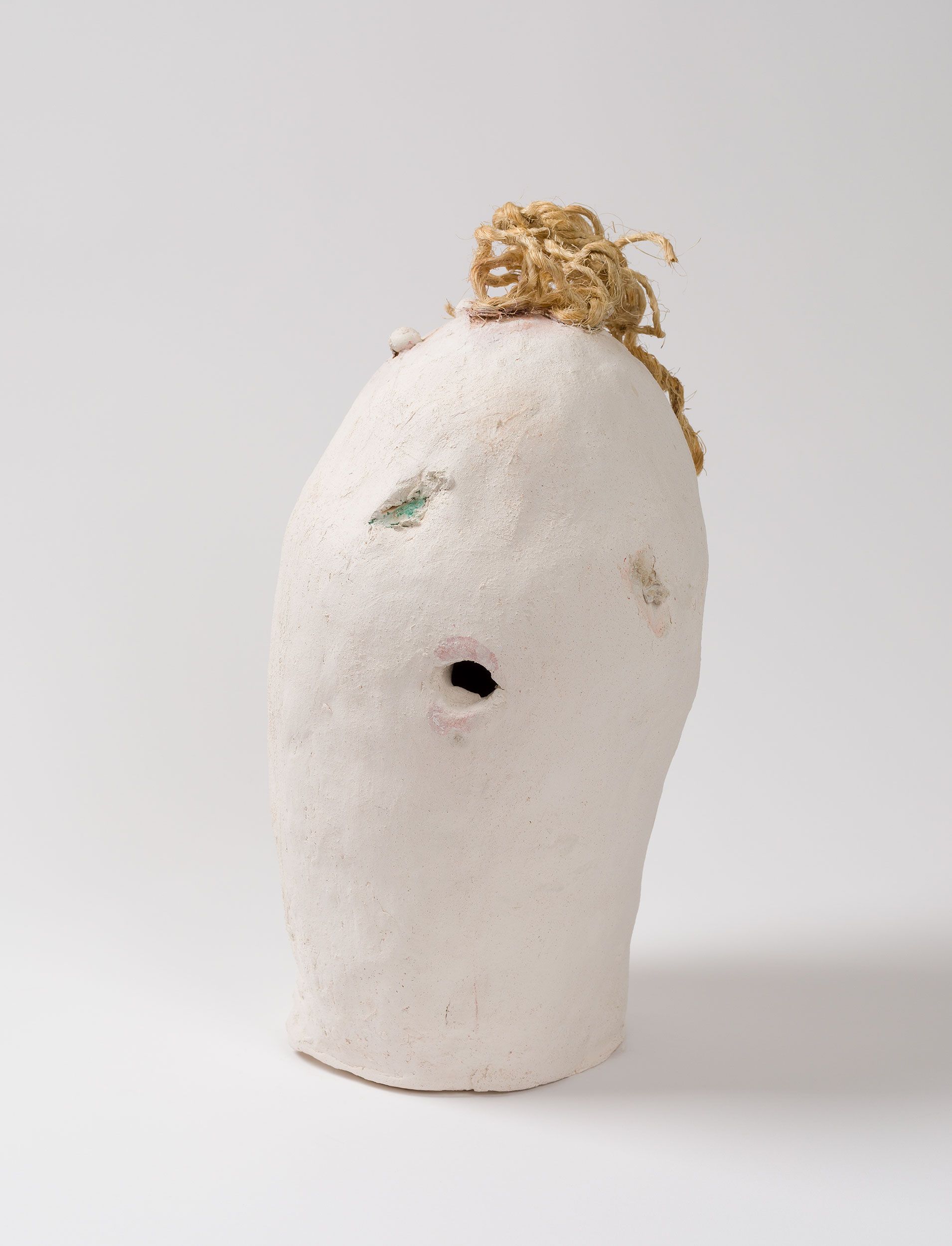
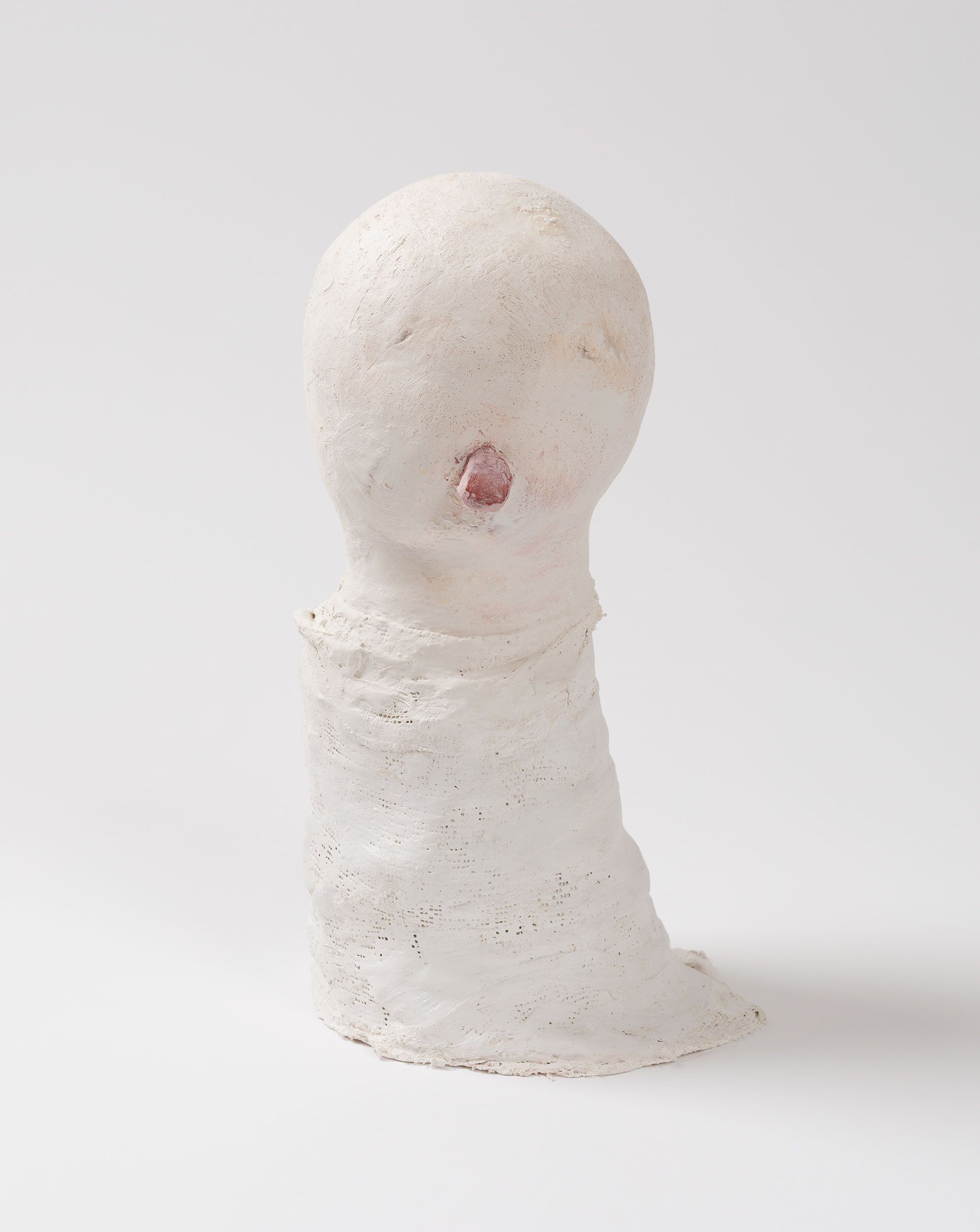
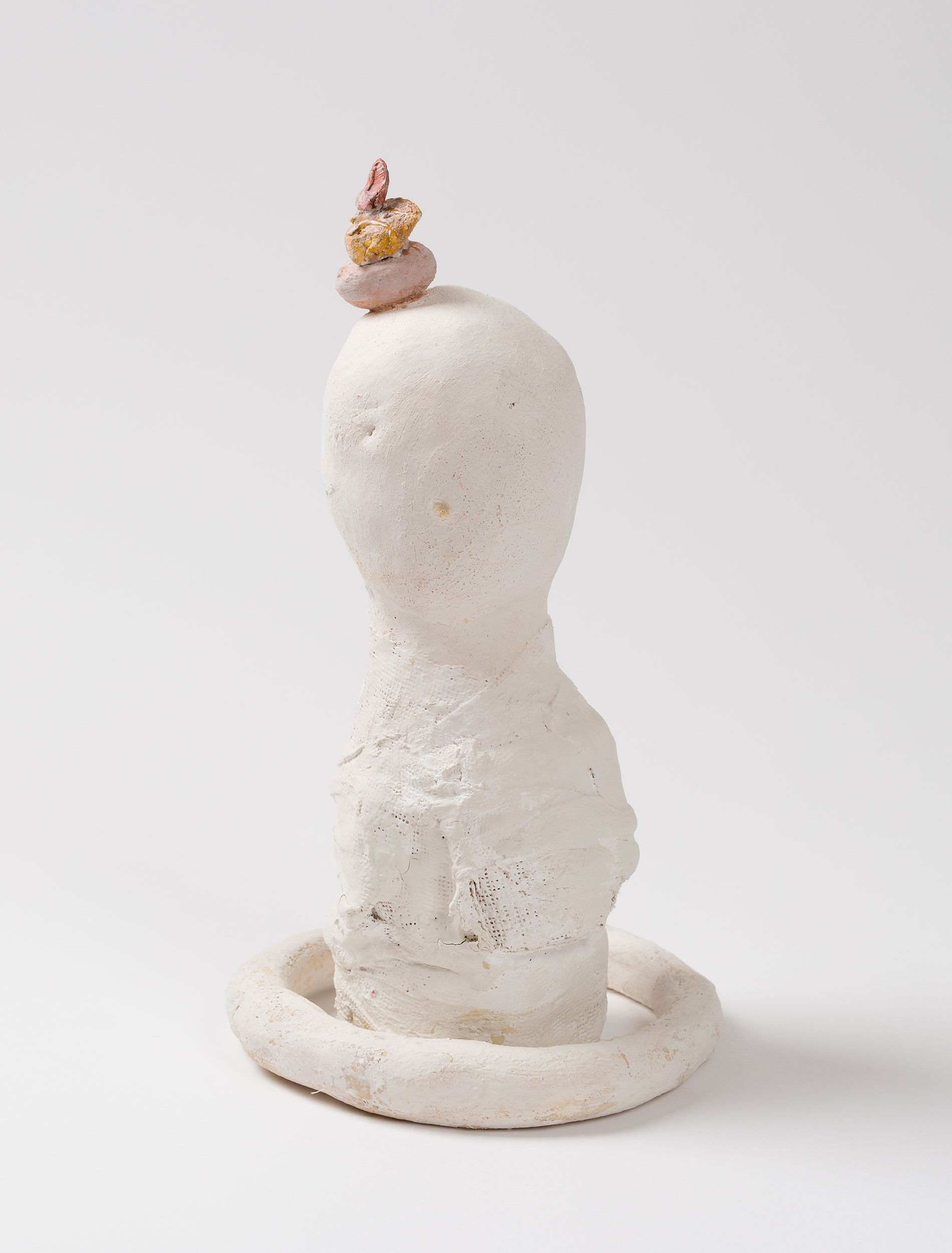
Eller’s ceramic heads function as psychological representations — figures that explore states of flux, birth, rebirth and stupefaction, occupying unstable territory between formation and dissolution, while carrying traces of vulnerability and resilience. They are heads in the loosest sense — anthropomorphic presences whose faces have largely withdrawn. Where a face might be, there are holes, smears of colour, rope tied around or things balanced on top. These are figures caught mid-formation, embodied in clay, pigment, wax, plaster, rope, wire, mesh, and found objects pressed into use as each form demands.
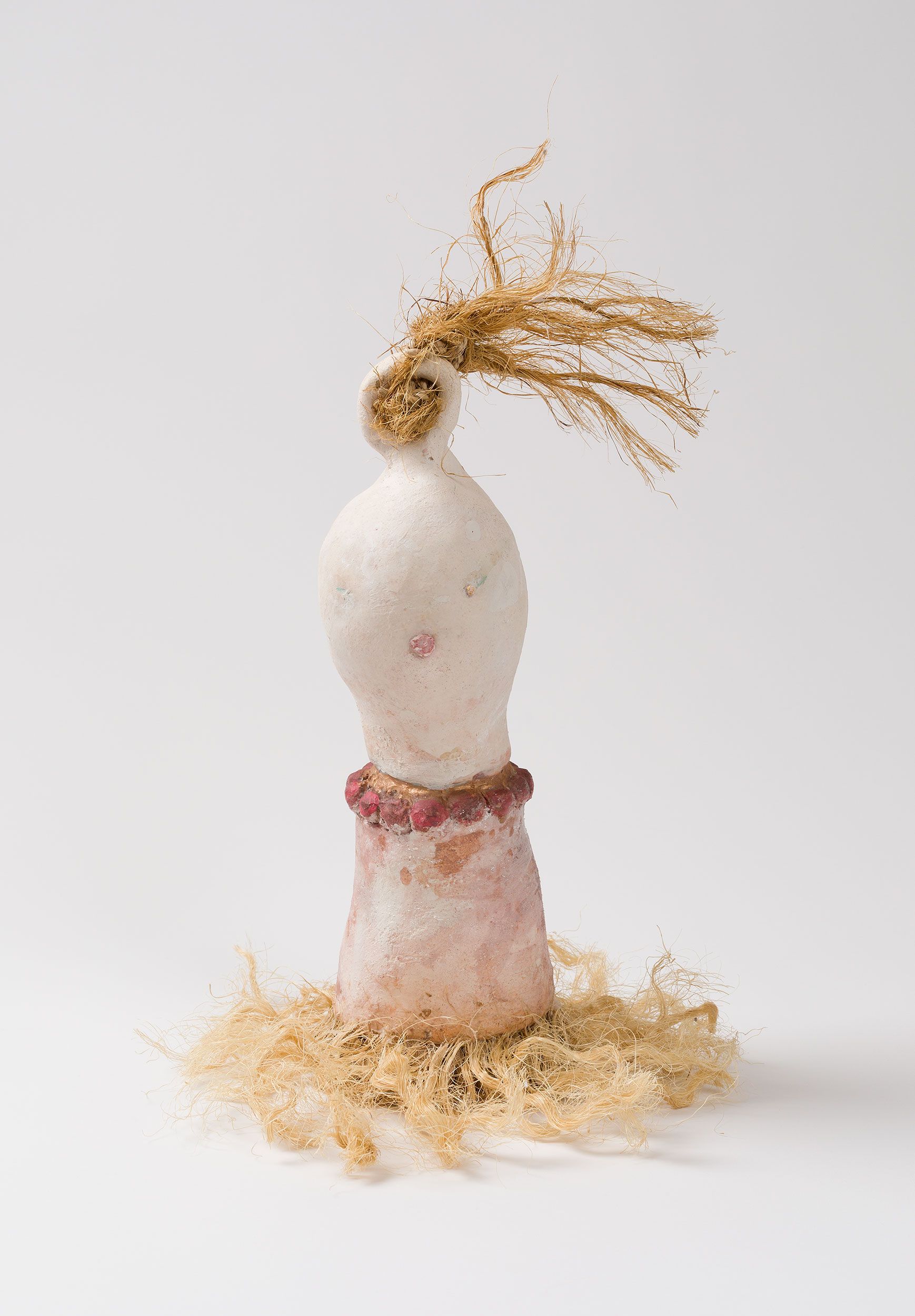
The invocations move from the interior toward the collective, speaking to shared experience, ritual, and the desire for connection. Inspired by tribal objects, ceremonial sculpture and communal symbols across cultures, these playful forms embody hope and protection. Part totem, part talisman, they act as vessels of intention and belief — acknowledging the power of shared mythologies and the human instinct to create meaning through symbol, ceremony and acts of faith.
Throughout, humour and unease coexist. A head with a rock balanced on top, a figure coiled in rope, a face reduced to a single pink smear, these objects are caught between the solemn and the absurd. ‘Beggars Belief’ inhabits the uncertainty it poses rather than resolving it. The question Eller poses remains open, and the works sit inside it.